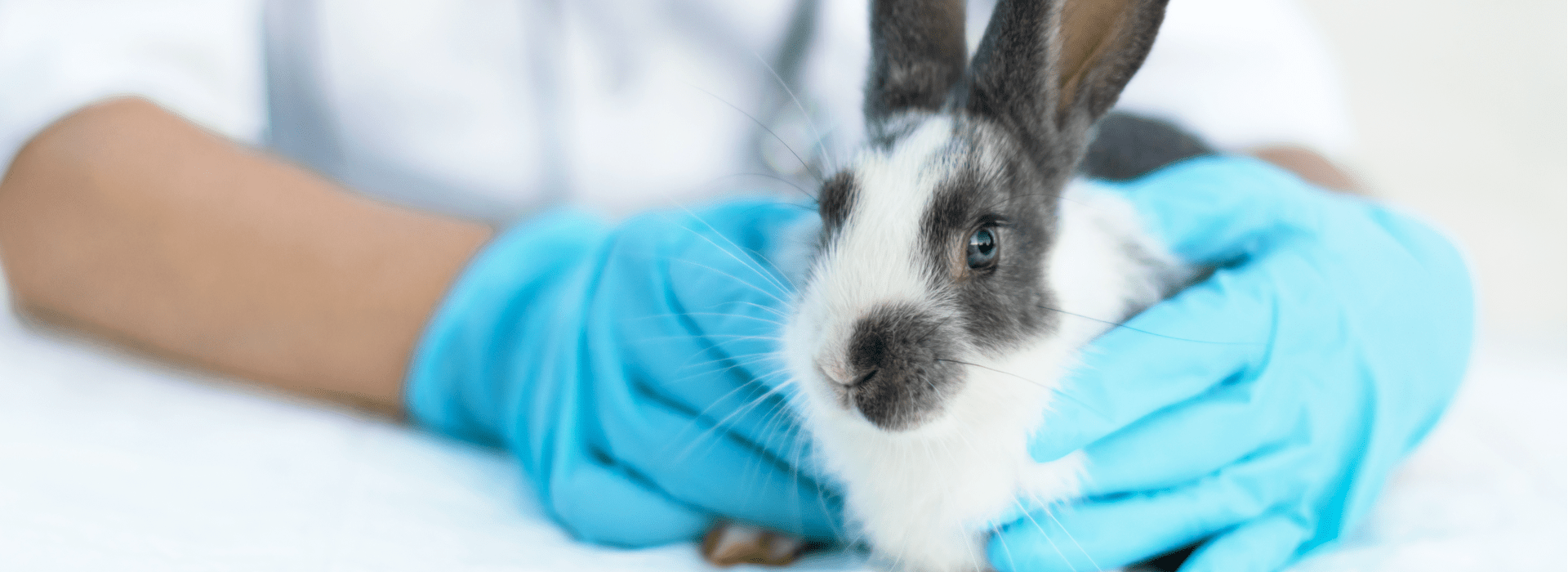
Anyone who has an interest in animal welfare will find veterinary education a challenging but rewarding experience. It is important to choose the right vet technician program that will allow you to develop your skills, knowledge and experience in order to prepare you for a rewarding career.
Regardless of your background, you'll be challenged to master new material while working hard to become a well-rounded and knowledgeable student. This includes learning about working with animals, interacting and veterinary paperwork.
You'll be able to gain knowledge about the different facets of veterinary health and develop your leadership and clinical skills through coursework and an internship. You will have the opportunity to meet other students as well as seasoned veterinarians. This can help you secure your dream position after graduation.
Vermont is home to only one vet tech college accredited by American Veterinary Medical Association. This 66 credit associate of applied sciences degree prepares you to take the Veterinary Technician National Examination, and for a career in veterinary technology.
Veterinary technician careers are growing and offer a range of options. These careers involve working in a variety of settings including animal hospitals, zoos, universities, pharmaceutical/biological research companies and diagnostic labs.
Vet technicians are often office managers in animal hospitals, as well as working with patients. They may be involved in training, marketing or research.
Most often, a bachelor’s degree is required to consider a career as full-fledged. You can choose from a few online courses, but it is best to enroll in a program on campus to get the most of your education.
A graduate degree in veterinary technilogy is also available. It may take longer to earn a graduate degree in veterinary technology, but you will be better prepared for a job.
There are many veterinary technician schools in the US, and most of them are accredited by the AVMA. You will need to apply for several programs, and some of them may require you to complete a series of prerequisite classes before beginning your veterinary tech studies.
You should always remember that, when applying to a veterinarian school, both your academic record and your personal essay will be considered by the admissions board. The strength of your essay will make or break your application.
If you're not sure how to start, an expert veterinary college essay tutor can give you the feedback and assistance that you need. They can give you tips on how you can write a strong personal statement to show the admissions board what makes you unique.
Enjoy yourself in vet school and have fun. It's easy for you to get caught up with the daily grind. It's important to take a few breaks from your studies or extracurricular activities. Whether it's a night out on the town or just hanging out with friends, it's important to make time for fun!
FAQ
What type of food should I give my dog to eat?
Your dog needs to be fed a healthy diet.
Protein-rich foods include beef, chicken, eggs, fish, and dairy products.
Other foods that contain high amounts of carbohydrates include fruits, vegetables and bread as well as pasta, rice and potatoes.
Lean meats, poultry and fish are all low in fat, as well as nuts, seeds, whole grains and whole grains.
Before giving your dog different types or foods, it is a good idea to check with your vet.
How can you tell if your dog has fleas
If you notice your pet scratching at its fur, licking itself excessively, or looking dull and unkempt, then chances are he/she may have fleas.
If you see any signs of redness on your pet's skin, this could also indicate an infestation by fleas.
Take your pet to the veterinarian as soon as you can for treatment.
How much money should I spend on a pet?
A good rule of thumb is to budget around $200-$300 per month.
This will vary depending on where you live. You would spend $350 per Month in New York City.
In rural areas, however, you might only need to spend $100 per month.
It is important to remember to purchase quality items, such as collars, leashes, toys, etc.
It is worth considering purchasing a crate to protect your pet. This will keep him safe during transport.
How do I train my pet?
It is important to be consistent when training your dog or cat. You must make sure you are consistent in how you treat them. If they see you as mean, they will learn not to trust you. They might start to believe that everyone is mean.
If you don't treat them with respect, they will not know what else to expect. They could become anxious around other people if this happens.
Positive reinforcement is the best way to teach your cat or dog. Positive reinforcement will make your pet want to continue doing the same thing.
If they are guilty of a crime, punishing them will be associated with bad behavior and not rewards.
To reinforce good behavior, treats such as toys and food are a great way to reward your efforts. Give praise wherever possible.
Clickers can be used to train your pet. Clicking allows you to tap on a button and tell your pet that it was successful.
This method works because animals understand that clicking means "good job".
First, show your pet the trick. Then reward him by asking him to do the trick.
Praise him when he does the right thing. Don't praise him too much. Do not praise him more than one time.
It's also important that you set limits. It's important to set limits. Also, don't let your pet bite strangers.
Make sure your pet is well-supervised so that he doesn’t harm himself.
How do you feed your pet?
Dogs and cats consume four times a daily amount of food. Breakfast consists of dry kibble. Lunch is often some type of meat like chicken, beef or fish. Dinner is typically a variety of vegetables such as broccoli and peas.
Cats have different dietary requirements. Canadian foods should be a major part of their diet. These include chicken, tuna fish, salmon and sardines.
Your pet might enjoy eating fruits or vegetables. They shouldn't be fed too often. Cats can get sick from overeating.
You shouldn't allow your pet water right from the faucet. Instead, let him drink out of a bowl.
Get enough exercise for your pet. Exercise helps keep his weight down. Exercise keeps him fit and healthy.
You should clean up after your pet is fed. This will prevent your pet from inhaling harmful bacteria.
Don't forget to brush your pet regularly. Brushing your pet regularly can help remove dead skin cells that could lead to infection.
At least two times per week, brush your pet. Use a soft bristle hairbrush. Do not use a wire brush. This could cause serious damage to your pet’s dental health.
Be sure to supervise your pet as he eats. He should be able to properly chew his food. He might swallow pieces of bone if he doesn’t.
Garbage cans should be kept away from your pet. This can be harmful to your pet's overall health.
Don't leave your pet alone in an enclosed place. This includes hot tubs, hot boats, and cars.
Statistics
- In fact, according to ASPCA, first-year expenses can sum up to nearly $2,000. (petplay.com)
- It is estimated that the average cost per year of owning a cat or dog is about $1,000. (sspca.org)
- Monthly costs are for a one-year-old female mixed-breed dog and an under one-year-old male domestic shorthair cat, respectively, in excellent health residing in Texas, with a $500 annual deductible, $5,000 annual benefit limit, and 90% reimbursement rate. (usnews.com)
- It's among a relatively few companies that provide policies with a full (100%) coverage option, meaning you are not responsible for any co-payment of bills. (money.com)
- Pet insurance helps pay for your pet's medical care, with many policies covering up to 90 percent of your vet bills. (money.com)
External Links
How To
The best way for a dog to learn where it should go to urinate is by teaching him.
Teaching your pet to use the bathroom correctly is crucial. It's important to learn how to train them to use the toilet properly if your dog starts to venture outside. Here are some tips that will help you teach your dog the correct way to go to the bathroom.
-
Start training early. Training early is key if you want to avoid accidents during playtime
-
Use food rewards. If you reward your pet after every successful trip, it will bring you better luck.
-
Be sure to keep treats out of the area where your dog pees. This could cause him to associate the smell of urine with his favorite treat.
-
Before you let your dog out, ensure that there isn’t another animal nearby. Dogs may be influenced by the behavior of others who relieve themselves.
-
Be patient. It might take your puppy a little longer to learn than an adult.
-
Your dog should be able to smell everything before she can go in the bathroom. If she can smell the toilet, she will learn more quickly.
-
You should not let your dog use the toilet next to you while you're doing other things. This could cause confusion.
-
You can wipe the toilet and the surrounding area clean after you have finished. These areas will be a reminder of what you should do in the future.
-
Any messes must be cleaned up immediately. Clean up after your dog has an accident. Otherwise, he might make a second attempt at relieving himself.