
The important role of veterinarian technie is in the field. A veterinarian will supervise a vet tech. They provide routine laboratory and clinic procedures as well care for animals. They work in various settings, including veterinary clinics and medical specialty centers, as well rescue shelters.
South Carolina's vet tech programs have different requirements. Some schools require you to have experience or a background in animal care. Others allow you to study at home. A lot of schools can help you find work after you have completed your education.
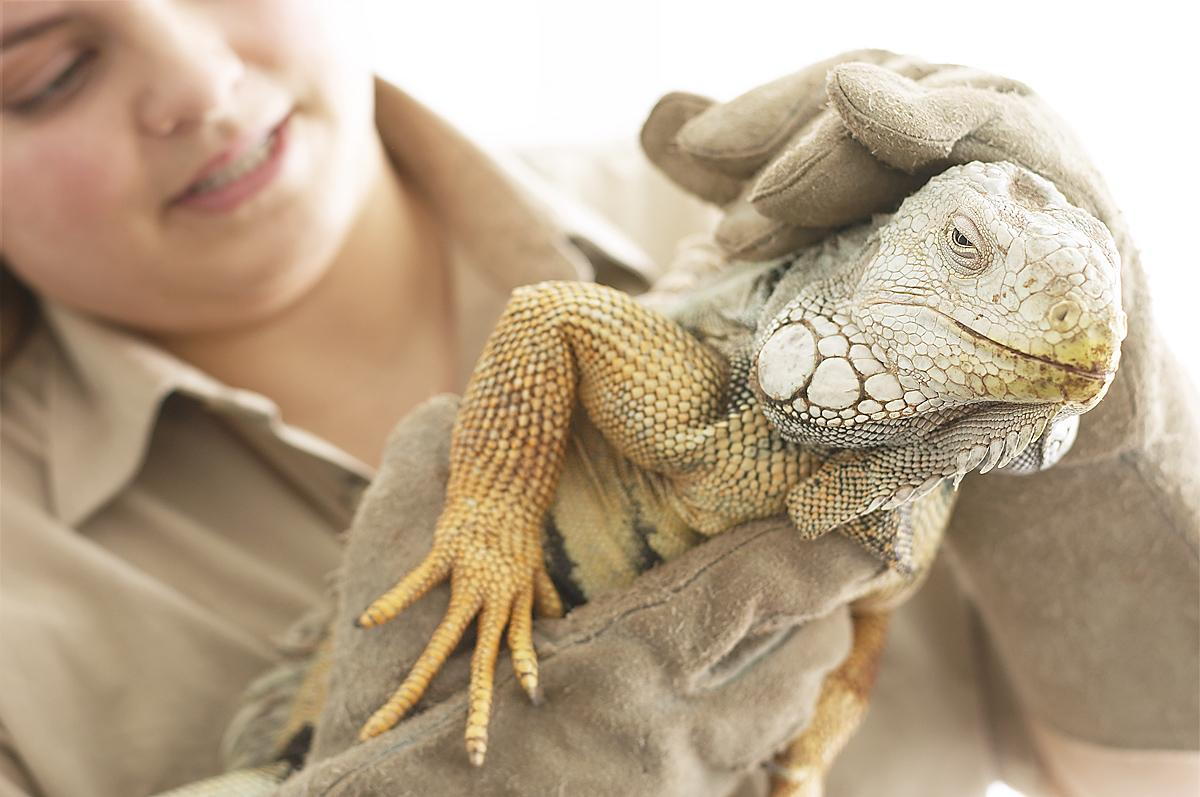
To become a South Carolina licensed veterinary technie, you first need to attend a school of vet tech that has been approved by the American Veterinary Medical Association. You will be eligible to take the national exam once you have completed the program. American Association of Veterinary State Boards administers it. The exam covers the fundamentals of veterinary technology as well as rules and regulations applicable to this field. The exam cost is $50.
For animal lovers, veterinary tech is a good career choice. Animals are important members of families, and many families believe that the health of their companion animals is essential. The pet industry has grown into a multibillion dollar industry. There will be more jobs for qualified veterinary technicians as a result. Vet techs are not only required to work in hospitals and veterinary clinics, but can also be employed in military research and non-profit organizations. The annual salary of a veterinary technician in South Carolina can be between $28,690 and $38,840.
South Carolina vet tech schools offer a range of programs, so it is important for you to choose the one that suits your needs. Also, you will want to know what types of student assistance are available. There are a variety of federal, state, as well as private programs that can help pay for your education. Ask your school about these opportunities, and inquire about business scholarships and student loans. You might also be eligible for traditional student loans. Talk to your guidance advisor if financial problems are a problem.
A few South Carolina veterinarian tech schools may offer distance-based programs. These programs offer online courses and in-person clinical practicums. You can complete your program from anywhere. These programs offer flexibility to allow you to take classes during the night, which makes it possible to work either full-time and part-time. Online programs are especially attractive for students who work in veterinary settings.
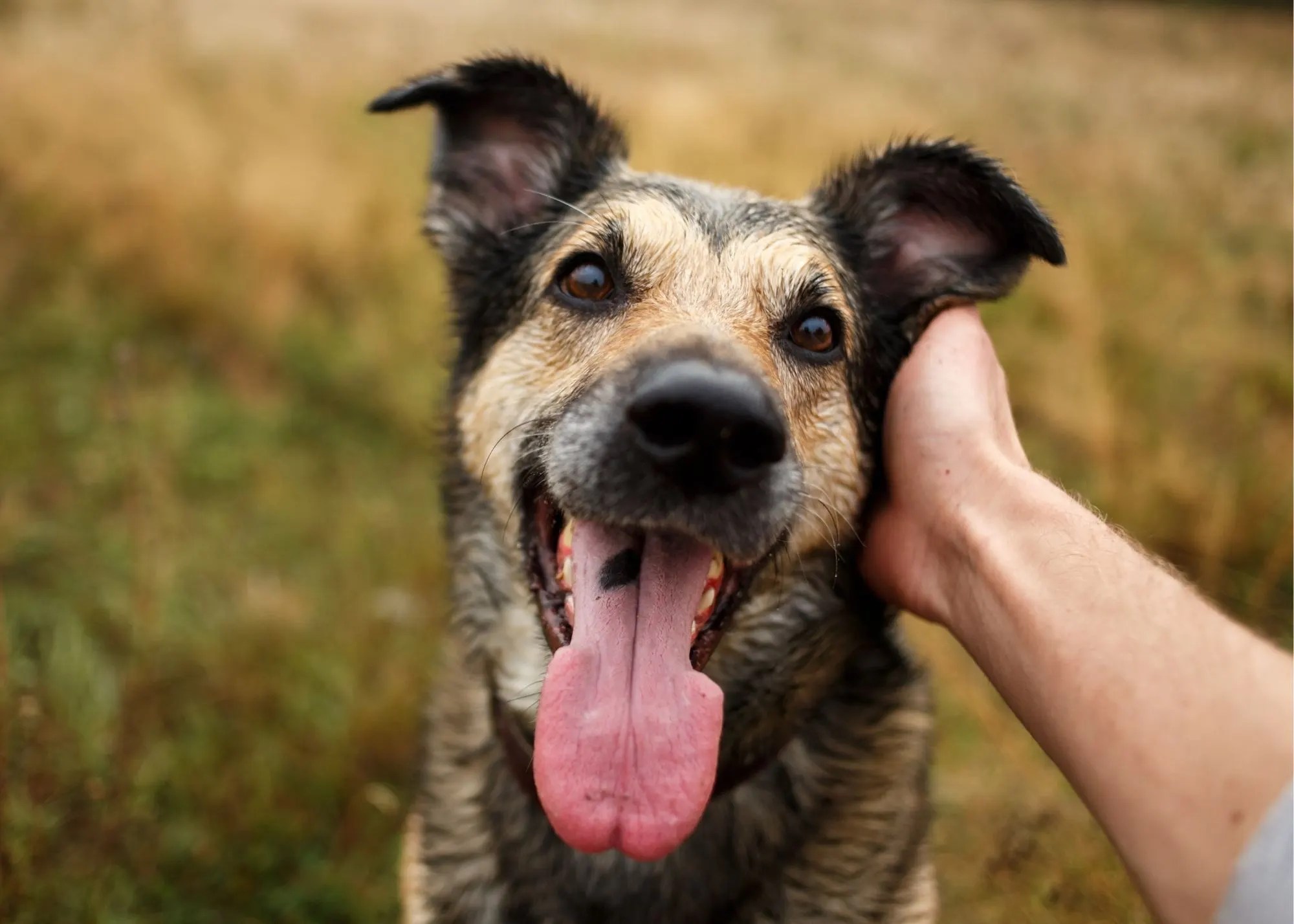
If you want to pursue a veterinary tech degree, you should check out the list of accredited schools from the Council on Veterinarian Technician Education and Activities (CVTEA). This group will help you find a program that suits your needs. Many vet tech programs require applicants to take several general education courses. Some programs also require letters of recommendation, a candidate interview, or test scores.
FAQ
Should I get a kitten or a puppy?
It really depends on who you are. Some people like kittens while others prefer puppies.
In general, however puppies are more active, playful, and social than cats. Kittens usually sleep a lot and are very gentle.
Both breeds require a lot of care from their owners. They will get older quickly and need to be taken care of.
Regular medical checks will be required for them. Also, they will require regular medical checkups so you'll have to spend time taking them to see the vet.
What is pet coverage?
Pet Insurance provides financial protection for pets when they are sick or injured. It also covers routine vet care such as vaccinations and spaying/neutering.
You can also get emergency treatment for your pet if it is in an accident or becomes sick.
There are 2 types of pet insurance.
-
Catastrophic - This type of insurance pays for medical expenses if your cat suffers serious injuries.
-
Non-catastrophic-This type covers routine veterinarian costs, such as vaccines, microchips, spays/neuters, and other veterinary services.
Some companies offer both catastrophic and non-catastrophic coverage. Others only offer one.
To cover these costs you will need to pay a monthly Premium. This amount will depend on how much you spend to care for your pet.
This insurance can cost you a lot depending on which company you choose. Do your research before purchasing.
There are discounts offered by some companies if you buy more than one policy.
You can transfer an existing pet insurance plan from another company to a new one.
If you choose not to purchase any pet insurance, you will need to make all payments yourself.
You can still save money. Ask your veterinarian for information about discounts.
You might be disregarded if your pet is seen often.
Another option is to adopt a pet from a local shelter instead of buying one.
It doesn't matter what kind or type of insurance you have, you should always carefully read the fine print.
It will inform you of the amount of your coverage. If you aren't sure about something, call the insurer immediately.
What should I do if my pet dog bites someone?
First, make sure the animal isn't rabid if you are attacked. If this is not possible, then call for help. Do not attempt to solve the problem yourself. You may get seriously injured.
If the pet is not aggressive but bites, it should be taken to a veterinary hospital. Your vet will examine the animal and decide if any additional treatment is required.
In most cases, rabies shots will be required. These should never be administered yourself. Only qualified people should perform this task.
Statistics
- In fact, according to ASPCA, first-year expenses can sum up to nearly $2,000. (petplay.com)
- Pet insurance helps pay for your pet's medical care, with many policies covering up to 90 percent of your vet bills. (money.com)
- Monthly costs are for a one-year-old female mixed-breed dog and an under one-year-old male domestic shorthair cat, respectively, in excellent health residing in Texas, with a $500 annual deductible, $5,000 annual benefit limit, and 90% reimbursement rate. (usnews.com)
- For example, if your policy has a 90% reimbursement rate and you've already met your deductible, your insurer would pay you 90% of the amount you paid the vet, as long as you're still below the coverage limits of your policy. (usnews.com)
- It's among a relatively few companies that provide policies with a full (100%) coverage option, meaning you are not responsible for any co-payment of bills. (money.com)
External Links
How To
The best way to tell a dog where it is appropriate to go to urinate.
It's essential to show your pet how they should use the toilet. You should also know how to train your pet if they go outside alone. These are some things to remember when teaching your dog how to properly use the toilet.
-
It is important to start training early. Training early is key if you want to avoid accidents during playtime
-
Give your pet food rewards. Your pet will be more successful if you give them a reward after each successful trip.
-
Be sure to keep treats out of the area where your dog pees. This could cause him to associate the smell of urine with his favorite treat.
-
Make sure there isn't another animal around before letting your dog out. Dogs who see their owners relieve themselves may believe it is normal.
-
Be patient. Your puppy might take a bit longer to figure things out than a fully grown adult.
-
Let your dog sniff everything before allowing her to step into the bathroom. If she can smell the toilet, she will learn more quickly.
-
Do not allow your dog to go near the bathroom while you take care of business. This could cause confusion.
-
Once you're finished, wipe down the toilet bowl and the floor. These areas will serve as reminders of what you need to do next.
-
You must immediately clean up any mess. Clean up after your dog has an accident. Otherwise, he might make a second attempt at relieving himself.