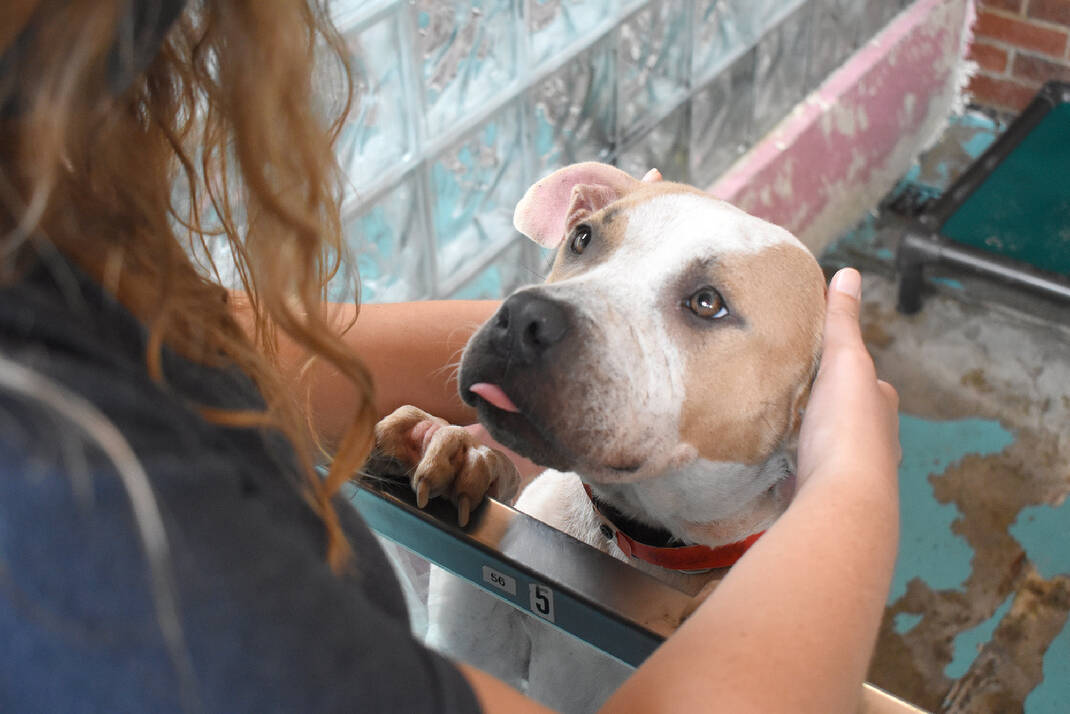
There are several benefits to downloading a pet finder app. You can not only track the progress of your search on the map but also make connections with other pet owners. With the help the app, you can share QR code and post the pet's location to social networks. It is an excellent way to help homeless animals find homes by using a petfinder app. You can use a petfinder app to find lost pets, such as cats and dogs.
Many pet-finder apps allow you to share a pet’s profile with the owner. This makes it easier to locate your missing pet. The app allows you to easily share your missing pet's profile with other people, and it can even print out a poster of your pet if it is gone. The app can be used to upload photos of your pet wherever you are, and it will be located as quickly as possible.
A pet finder app is a great option for many reasons. Many people will use the app to find their missing pet, and it's easy to download. Some petfinder apps have additional features like the ability to create profiles and remind you for routine care. Another wonderful feature is your ability to save information regarding your pets. You can also save the photo of a dog you find while searching for him. It can be easier to find your pet by using a petfinder.
When it comes to finding new pets, dog finder apps can be very helpful. A free app such as the one from Rescue Pets is a good option. You can use this app to search for animals near you. Based on your preferences, you will see a list with matches. Click on the animal you want to meet, and then schedule a meet & greet. You'll be matched with a pet in no time!
Petfinder is a wonderful tool for finding your next pet. It allows you to share your pet’s bio with family and friends via social media. The app also lets you send specific messages to shelters. You can also arrange visits to meet the pet. This application will allow you to search for a pet. Share your preferences with other people and you could get a new pet immediately! This app also allows you the opportunity to adopt a cat and dog.

Pet finder applications have the additional benefit of being more useful to pet owners than just searching for lost pets. An app for dog finding can track the location of your pet using GPS data. If you're looking for a companion for your dog or cat, an app that tracks your spending will help you stay within your budget. The app will even help you with pet adoption. The dog finder app will help you save money by keeping track of your spending and keeping informed.
A pet finder app is an essential tool for pet owners. It will help you find your pet and also help you find shelters. It uses GPS/GSM technology to locate pets in your local area and connect you with their owners. Its user-friendly interface allows you to quickly search for your new pet. This app can be used on both Android tablets as well as iPhones. It is easy and free to use on your mobile device.
The app lets you search for pet owners in your area. It also allows you to save your favorite pets and find new ones through social media. A pet finder can help you to adopt a homeless animal. There is an app that will suit your needs, no matter what. There are many benefits to having a pet finder on your smartphone. There are numerous apps available for all types of pet owners. Get a free app to help you find your pet's best friend.
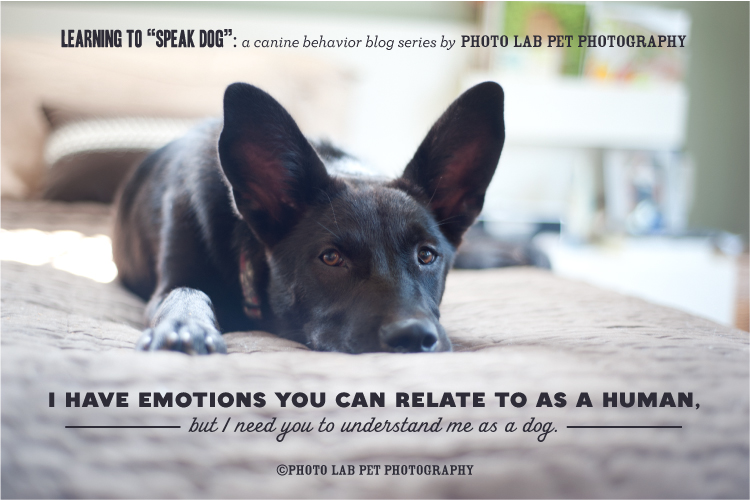
Adopting pets is a great experience for both the pet and you. These apps make it easier and quicker to adopt a pet. You can quickly locate the perfect pet by using a petfinder app and then contact its owner. A good one will help you to feel comfortable and will help you to find the perfect animal for your family. There are many pet finder apps available for smartphones.
FAQ
How to feed a pet?
Dogs and cats eat four times a day. Breakfast is made up of dry kibble. Lunch is often some type of meat like chicken, beef or fish. Dinner is usually some form of vegetables like broccoli or peas.
Cats may have different dietary preferences. Canadian foods are best for cats. These can include chicken, salmon, tuna and sardines.
You pet might also like to eat fruits and vegetables. But, your pet shouldn't eat them too often. Cats tend to get sick if they overeat.
It is not a good idea for your pet to drink water directly from the faucet. Instead, let him drink out of a bowl.
Your pet should get enough exercise. Exercise keeps your pet's weight down. It keeps him healthy.
After feeding your pet, be sure to clean up any spillages. This will stop your pet getting sick from eating harmful bacteria.
Remember to brush your pet's coat regularly. Brushing removes dead skin cells, which can cause infection.
At least two times per week, brush your pet. Use a soft bristle brush. Don't use a wire brush. This can cause harm to your pet's smile.
Be sure to supervise your pet as he eats. He needs to chew properly. He might swallow pieces of bone if he doesn’t.
Your pet should not be allowed to use garbage cans. This could be dangerous for your pet's health.
Your pet should not be left alone in an enclosed space. This includes cars, hot tubs, and boats.
What is pet insurance?
Pet insurance provides financial protection for your pet's health and safety in the event that they become injured or sick. It also covers routine care such as vaccinations or spaying/neutering.
You can also get emergency treatment for your pet if it is in an accident or becomes sick.
There are two types of Pet Insurance:
-
Catastrophic: This type of insurance pays medical expenses if your cat sustains serious injuries.
-
Non-catastrophic (This type covers routine veterinary expenses, including microchips and spays/neuters.
Some companies offer both non-catastrophic and catastrophic coverage. Others provide only one.
These costs are covered by a monthly payment. The amount you spend on your pet’s care will determine the cost.
This insurance will cost you differently depending on the company that you choose. Make sure to shop around before you buy.
You may be eligible for discounts if more than one policy is purchased by the company.
You can transfer your pet insurance plan to another company if you are already insured.
If you decide to not purchase any pet insurance you will be responsible for all costs.
There are still ways you can save money. You can ask your veterinarian about discounts.
If you take your pet to the vet often, he might not be impressed.
You can also find local shelters where you can adopt a pet, rather than paying for one.
Remember, no matter what kind of insurance you buy, you must read the fine print carefully.
It will tell you exactly what your coverage is worth. Contact the insurer immediately if you are unsure.
Which amount cats or dogs are easier to train?
Both. It depends on how you approach training them.
Giving them rewards for doing what you want will help them learn more quickly. However, if you ignore them and don't listen to them, they'll begin to ignore you.
There is no right or wrong way to teach your cat or dog. It is up to you to find the best way for your dog or cat to learn.
Statistics
- A 5% affiliation discount may apply to individuals who belong to select military, law enforcement, and service animal training organizations that have a relationship with Nationwide. (usnews.com)
- It's among a relatively few companies that provide policies with a full (100%) coverage option, meaning you are not responsible for any co-payment of bills. (money.com)
- Here's a sobering reality: when you add up vaccinations, health exams, heartworm medications, litter, collars and leashes, food, and grooming, you can expect a bill of at least $1,000 a year, according to SSPCA. (bustle.com)
- Monthly costs are for a one-year-old female mixed-breed dog and an under one-year-old male domestic shorthair cat, respectively, in excellent health residing in Texas, with a $500 annual deductible, $5,000 annual benefit limit, and 90% reimbursement rate. (usnews.com)
- Pet insurance helps pay for your pet's medical care, with many policies covering up to 90 percent of your vet bills. (money.com)
External Links
How To
How to choose the perfect name for your pet
The most important decision you will make when adopting an animal is choosing a name. You want to pick a name that reflects who they are and what kind of personality they have.
It is important to consider how other people might refer to you - for instance, if they are going to be called by their name in conversation. The last thing you need to think about is how you want to be referred. Are you more comfortable calling yourself "dog" or your "pet"?
Here are some tips and tricks to help you get going.
-
Choose a name that is appropriate for your dog's breed. Look up the names associated to the breed, if you have a good idea of what it is (e.g. Labradoodle). Or ask someone who knows dogs well to suggest a name based on the breed.
-
Consider the meaning behind the name. Some breeds were named after people or specific places, while others are just names. One Labrador Retriever was named Rover because he loved to run!
-
What would you prefer to be called? Is it more fun to be called "dog" than "pet"? Would you call your dog "Puppy" or "Buddy"?
-
Remember to include the first name of your owner. While it is sensible to name your dog after your last name, you don't have to limit your options to include names of family members. Your dog could grow up to become a member of your family.
-
Many pets may have more than one name. A cat, for example, might have multiple names depending on where she lives. While she may be called "Kitty Cat" at her home, she might go by "Molly" when visiting her friends. This is especially true of cats who live outdoors. They often adopt their names to fit their environment.
-
Be creative There are no set rules. Just make sure that you choose something unique and memorable.
-
You must ensure that the name you choose isn't already owned by another person or group. So you don't accidentally steal someone's identity.
-
Don't forget that choosing a name is not an exact science. Sometimes it takes some time to decide if a name is right. So keep trying until you find the perfect match!