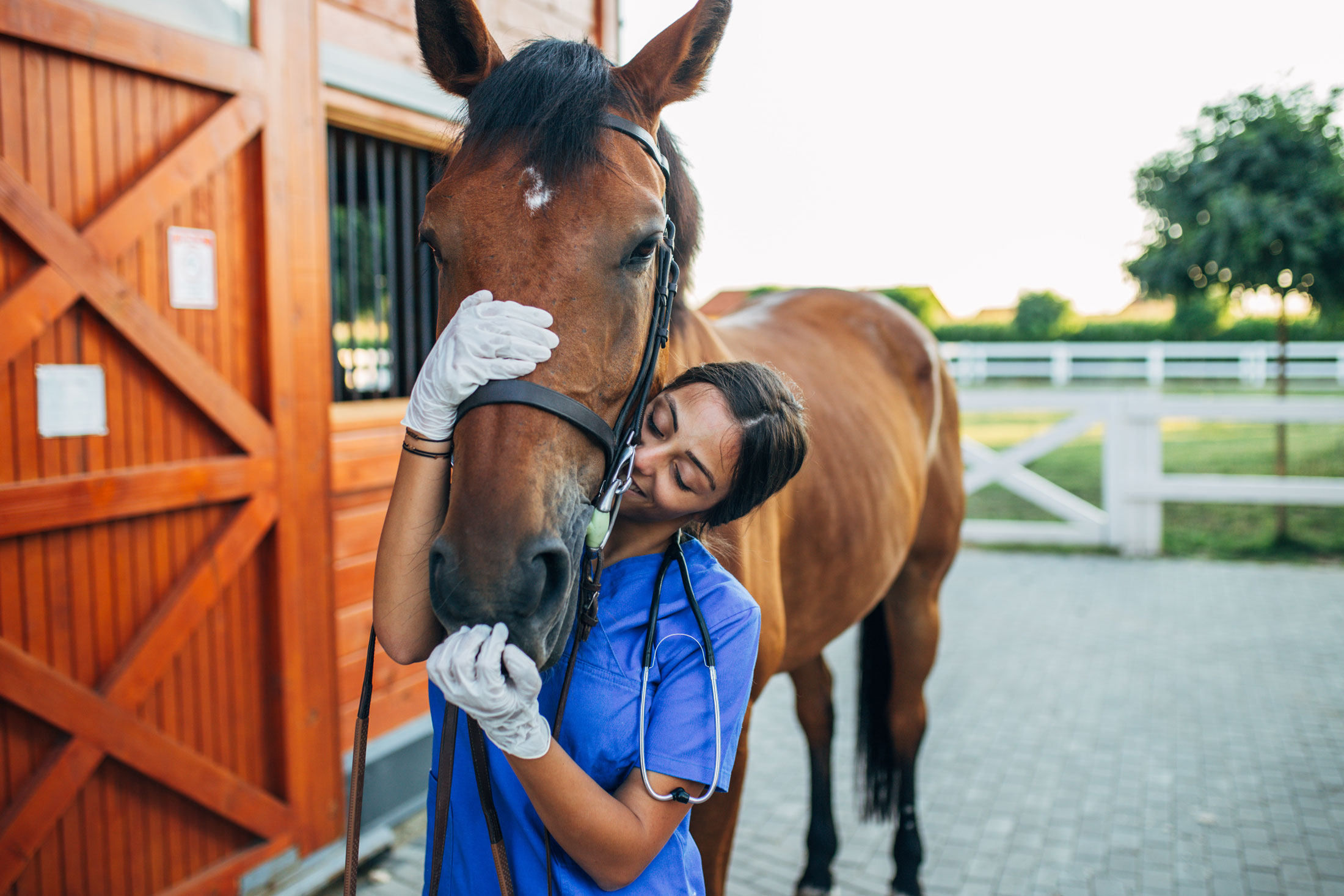
While the veterinary services industry is growing overall, it is slowing down, which is causing a slowdown in employment growth. This means that the employment outlook for veterinarians is less rosy than it was in previous years. According to the U.S. Bureau of Labor Statistics for 2010, veterinarian employment growth is projected to only increase by 36% between 2010-2025.
Job growth
Veterinarians are in high demand in the United States. They are responsible for diagnosing and treating animal injuries and diseases, as well as conducting research. They can also care for companion animals and livestock. The Bureau of Labor Statistics predicts that veterinarian employment will increase 16 percent by 2029. Higher wages are possible depending on the specialty.
The U.S. has a higher rate of job growth for veterinarians than the national average. Veterinary technicians are expected to increase their employment by 16 percent through 2029, faster than the average for all occupations. More technicians will be needed to provide general care and laboratory work as the number of veterinarians increases. They will replace less-skilled assistants.

Stress level
Stress is an integral component of the lives of veterinarians. This job is very stressful. Veterinarians should identify the stress factors and suggest ways to manage them. 231 veterinarians participated in a survey about their job stress. The results revealed that veterinarians reporting high levels in job stress have higher rates of surgeries and consultations. These veterinarians also spend a lot more time in surgery.
One of the reasons veterinarians report high levels of stress is the lack of income. Although the average veterinarian earns PS18 per hour, others make much more. A veterinarian can work as many as 90 hours per week. A veterinarian's average hourly salary is PS18, but only 9% of vets work these hours.
Upward mobility
You can benefit from the strong job market if you are a veterinarian. While many veterinary roles only allow for limited upward mobility, there are ways to negotiate a better deal. Even though a smaller practice may lack a strong leadership team or multiple departments, it can still offer you new challenges.
Competitiveness
Although the average salary for a veterinarian is lower than other professions, it's possible to find a rewarding job in the veterinary industry. This career is very low in stress, offers good work-life balance and solid opportunities for advancement and promotion. Although veterinarians must be aware and prepared for the challenges associated with working with large corporations, they have the ability to use their strategic thinking to overcome those obstacles.
A recent study evaluated the employment prospects of recent veterinary graduates. The survey included 192 veterinarians who had graduated between 2000-04. One-quarter of the respondents were still employed by their first employer. Nine percent were sole entrepreneurs. In addition, 67.4% of veterinarians surveyed were satisfied with their first employers. The main factors associated with employee retention were mentorship, workload and type of practice. A supportive environment is more likely for female veterinarians to stay with their employer.
FAQ
What is pet assurance?
Pet insurance provides financial protection for your pet's health and safety in the event that they become injured or sick. It also covers routine care such as vaccinations or spaying/neutering.
Additional benefits include emergency treatment in the event your pet becomes ill or is involved in an accident.
There are two types:
-
Catastrophic Insurance - This insurance covers medical expenses for your cat if it sustains severe injuries.
-
Non-catastrophic – This type covers routine costs for veterinary care, including vaccinations, microchips or spays/neuters.
Some companies offer both catastrophic and non-catastrophic coverage. Others offer just one or the other.
To cover these costs, you will have to pay a monthly fee. The amount of your pet's care depends on what you spend.
This insurance will cost you differently depending on the company that you choose. Make sure to shop around before you buy.
If you purchase multiple policies, some companies offer discounts.
You can transfer an existing pet insurance plan from another company to a new one.
If you don't want to purchase pet insurance, you will have to pay all the costs yourself.
However, there are still ways to save money. Ask your veterinarian for information about discounts.
He might discount you if you bring your pet to see him frequently.
Instead of spending money on a pet, you could adopt one from an animal shelter.
Do not forget to read the fine print.
This will show you the exact value of your coverage. If you aren't sure about something, call the insurer immediately.
What kind of food should I feed my dog?
It is important to give your dog a healthy diet.
High-protein foods include chicken, beef and fish as well as eggs and dairy products.
Fruits, vegetables, legumes, bread, cereals and pasta are all high in carbohydrate.
Foods that are low in fat include lean meats, poultry, fish, nuts, seeds, and whole grains.
Before giving your dog different types or foods, it is a good idea to check with your vet.
Should I spay/neuter my dog?
Yes! Spaying and neutering your dog is very important.
It reduces the number of unwanted dogs in the world and also lowers the chance of developing certain diseases.
There is, for instance, a greater chance of breast cancer in female dogs that in male dogs.
There is also a greater chance of testicular carcinoma in males than in females.
It is also a good idea to spay or neuter your pet so she doesn't have babies.
What do you do if your dog bites somebody?
You should first check that the animal you are being attacked is not rabid. If this is not possible then you should call for assistance. Do not attempt to handle the situation yourself, as you could become seriously injured.
If the animal bites, but is not aggressive then you can take it to a vet clinic. Your vet will examine it, and then advise you if additional treatment is necessary.
Most cases will require rabies shots. However, you should never administer these yourself. This should only be done by a licensed person.
How to train your pet
The most important thing when training a dog or cat is consistency. You must make sure you are consistent in how you treat them. If they think you're mean they won't trust you. They might start to believe that everyone is mean.
If you don't treat them with respect, they will not know what else to expect. This could make them anxious about other people.
Positive reinforcement is the best way to teach your cat or dog. When you reward them for doing something right, they will want to repeat this behavior.
When they do something wrong, it is easier to punish them than reward them.
Good behavior should be reinforced with treats, such as food and toys. Give praise wherever possible.
Clickers can help you train your pet. Clicking can be described as a technique that allows you to click on a button to inform your pet that he did a good job.
This is because clicking indicates "good job" to animals.
Before teaching your pet tricks, first show it the trick. Then reward him by asking him to do the trick.
Praise him when he does the right thing. But don't overdo it. Do not praise him more than one time.
Also, it's important to set boundaries. You should not allow your pet to jump on people. Or don't allow him to bite strangers.
You must always supervise your pet so that he doesn’t injure himself.
What are three things that you need to consider before getting a cat?
These questions should be asked before you purchase a cat.
-
Is the cat suffering from any health problems?
-
Will the cat eat all my food, or will he?
-
Is it because I am a lover of cats or do you just want a pet to play with?
Statistics
- Reimbursement rates vary by insurer, but common rates range from 60% to 100% of your veterinary bill. (usnews.com)
- Monthly costs are for a one-year-old female mixed-breed dog and an under one-year-old male domestic shorthair cat, respectively, in excellent health residing in Texas, with a $500 annual deductible, $5,000 annual benefit limit, and 90% reimbursement rate. (usnews.com)
- For example, if your policy has a 90% reimbursement rate and you've already met your deductible, your insurer would pay you 90% of the amount you paid the vet, as long as you're still below the coverage limits of your policy. (usnews.com)
- A 5% affiliation discount may apply to individuals who belong to select military, law enforcement, and service animal training organizations that have a relationship with Nationwide. (usnews.com)
- Pet insurance helps pay for your pet's medical care, with many policies covering up to 90 percent of your vet bills. (money.com)
External Links
How To
How do you choose the right name for your pet?
Choosing a name for your pet is one of the most important decisions you'll make when adopting a new animal into your home. Names should reflect the personality and character of your pet.
It is important to consider how other people might refer to you - for instance, if they are going to be called by their name in conversation. The last thing you need to think about is how you want to be referred. Do you prefer "pet" or "dog"?
Here are some tips to help you get started:
-
You should choose a name that suits your dog's breed. Look up the names of the breeds if you know the breed (e.g. Labradoodle). Ask someone who is familiar with dogs to recommend a name that fits the breed.
-
Be aware of the meaning behind the name. Some breeds were named after people or specific places, while others are just names. For example, the Labrador Retriever named "Rover" because he was always running!
-
Consider what you would like to be called. Do you prefer "dog" to "pet?" Would you prefer to refer to your dog as "Puppy," or "Buddy",?
-
Make sure to include the owner's name. It's sensible to give your dog an owner's name. But, don't limit yourself by limiting your family's names. Your dog may grow up to be part of your family, too!
-
Remember that pets can have multiple names. For example, a cat might go by several names depending on where she lives. When she visits her friends, she might be called "Kitty Cat" but "Molly", at home. This is especially true if the cat lives outside. They may choose to name themselves after the environment in which they live.
-
Be creative There are no set rules. Make sure you choose something memorable and unique.
-
Check that your chosen name isn't used by any other person or group. This way you won't accidentally take someone else's identity.
-
Don't forget that choosing a name is not an exact science. Sometimes, it takes time for you to choose the right name. Keep looking until you find that perfect name.